
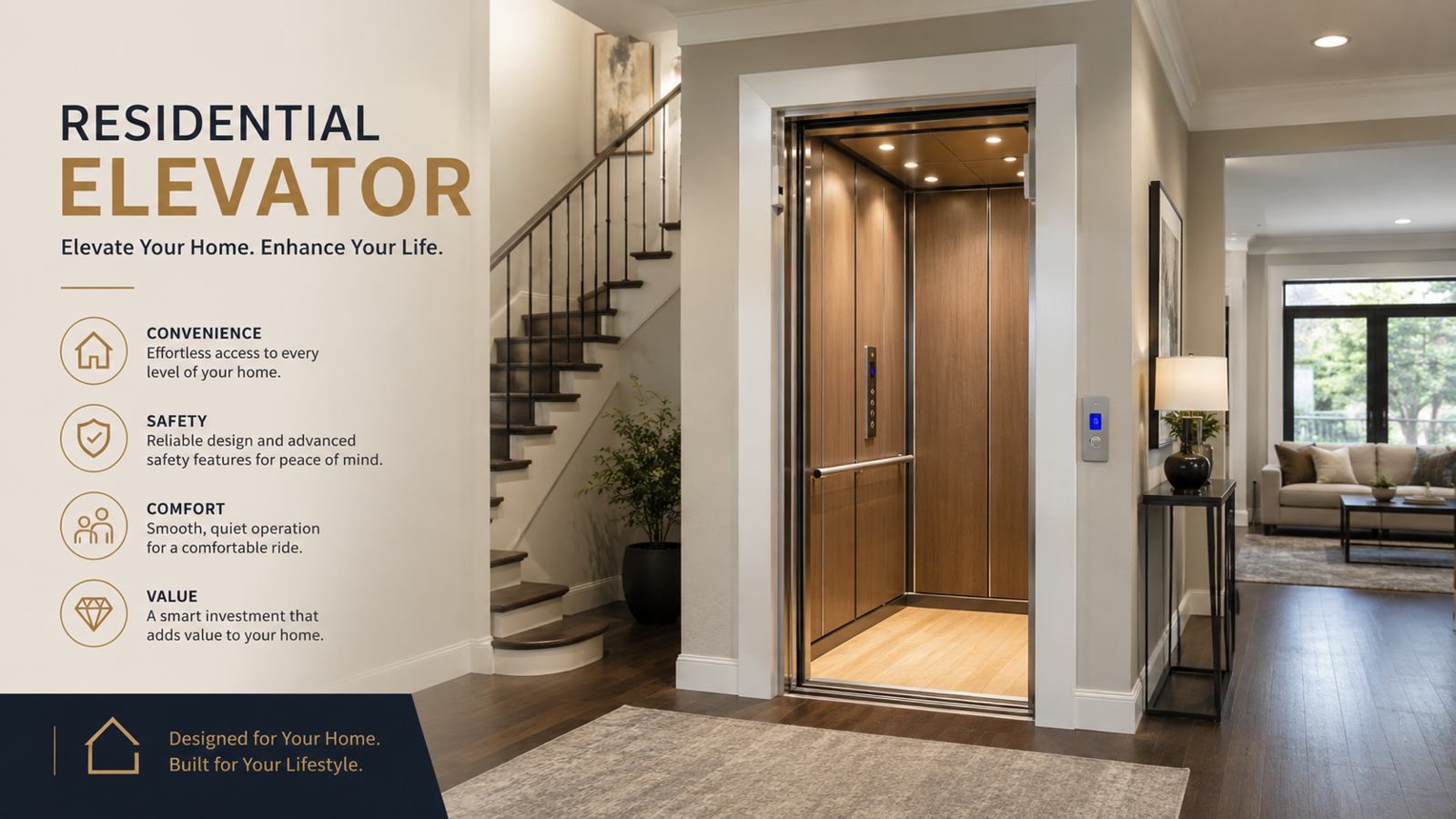
Installing a residential lift has become an increasingly popular choice for modern homeowners who value convenience, accessibility, and long-term comfort. As homes continue to adopt smarter infrastructure, residential lift systems offer practical mobility solutions for elderly family members, individuals with mobility challenges, and homeowners looking to improve property value. However, proper installation is essential to ensure safe and smooth operation for years to come.
Understanding the Importance of Proper Lift Installation
A residential lift is more than just a convenience feature. It is a mechanical system that requires careful engineering, proper structural planning, and strict safety compliance. Incorrect installation can lead to operational issues, reduced efficiency, and potential safety risks.
Before beginning any project, homeowners should work with experienced professionals who understand building requirements, weight capacity calculations, and local safety regulations. A professionally installed lift ensures better long-term reliability and minimizes maintenance concerns.
Choosing the Right Lift System for Your Home
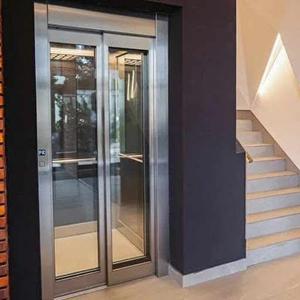
The first step in installation is selecting the right lift system based on the structure of the property and the needs of the household. Residential lifts come in different configurations, including hydraulic lifts, traction lifts, machine-room-less systems, and compact home elevators.
Factors such as available space, travel height, load capacity, power consumption, and usage frequency should be carefully evaluated. Working with a trusted lift manufacturer in rajasthan helps homeowners identify the most suitable option based on their specific requirements.
Choosing the correct lift model at the planning stage prevents unnecessary modifications later and ensures better operational efficiency.
Site Inspection and Structural Planning
A detailed site inspection is one of the most important phases of residential lift installation. Engineers examine the building layout, shaft dimensions, electrical requirements, and load-bearing capacity of the structure.
Proper structural planning ensures that the lift system integrates seamlessly into the building design. In new construction projects, lift planning can be incorporated early, but in existing homes, retrofitting may require modifications to walls, floors, or stairwell areas.
Careful planning at this stage reduces installation delays and avoids structural complications.
Electrical and Safety Requirements
Residential lifts require a stable electrical supply for smooth functioning. During installation, technicians ensure that dedicated electrical connections, backup systems, and emergency controls are properly configured.
Safety remains a top priority throughout the process. Important safety features often include emergency alarms, overload sensors, automatic door locking systems, battery backup, and emergency stop functions.
Professional technicians performing elevator installation udaipur understand how to meet required electrical and safety standards while ensuring the system performs consistently under regular usage conditions.
Installation Process and Equipment Setup
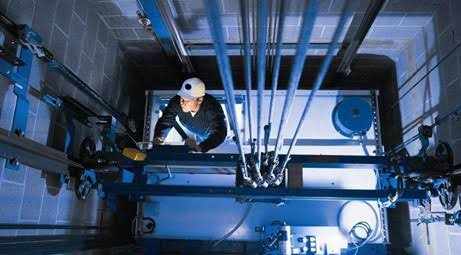
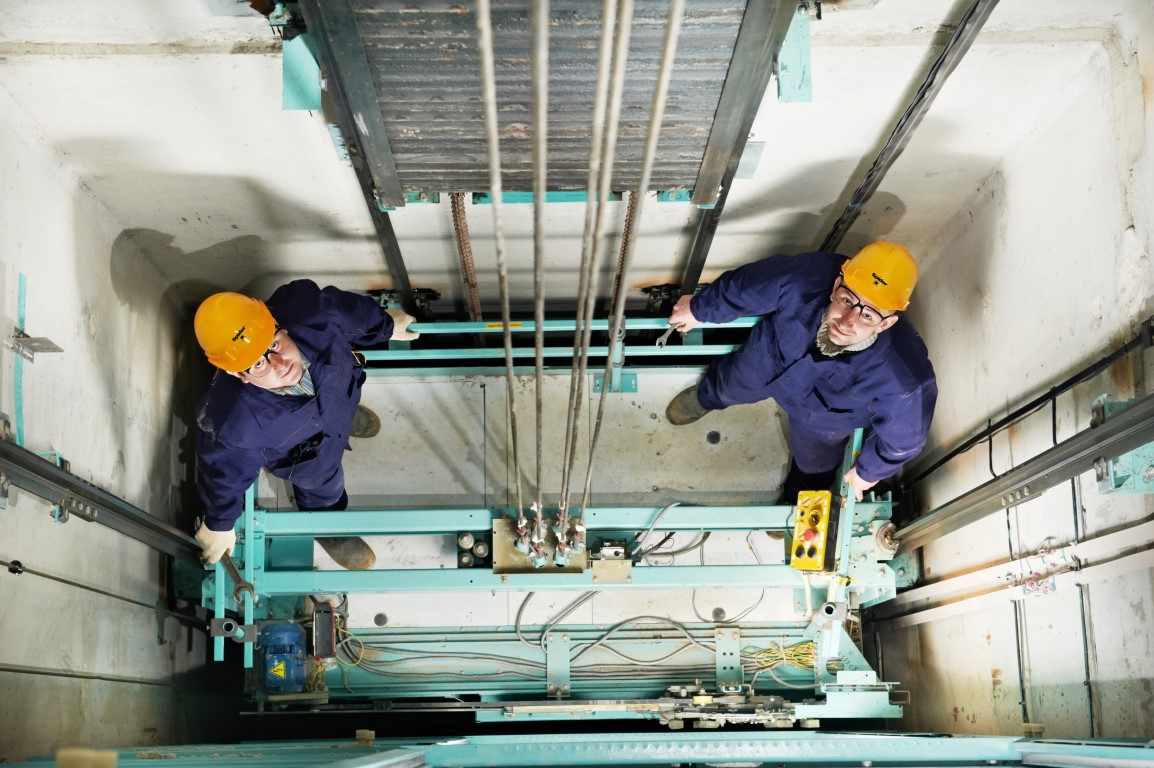
Once the site is prepared, the actual installation process begins. This typically involves shaft preparation, guide rail installation, machine setup, cabin fitting, wiring connections, and control panel configuration.
Precision during installation directly affects lift performance. Even minor alignment errors can cause vibration, noise, or uneven movement during operation.
Experienced installation teams carefully assemble each component according to manufacturer specifications and conduct multiple technical checks during every phase of installation.
Testing and Quality Inspection
After installation is complete, thorough testing is necessary before the lift becomes operational. Engineers perform safety inspections, weight testing, speed calibration, door operation checks, and emergency system testing.
The goal is to ensure every component functions properly under real operating conditions. Quality testing helps identify minor adjustments needed before final handover.
A properly tested lift system reduces the chances of sudden breakdowns and ensures smoother daily operation for homeowners.
Regular Maintenance After Installation
Installation is only the first stage of a lift’s lifecycle. Regular maintenance plays a major role in preserving long-term performance and safety.
Routine servicing helps identify wear and tear in moving components such as cables, motors, brakes, and control systems. Regular inspections also help maintain energy efficiency while reducing unexpected repair costs.
Many homeowners research operational advantages such as passenger lift benefit when evaluating long-term lift performance and convenience in residential spaces.
Scheduled maintenance ensures the lift continues operating safely for many years.
Why Professional Installation Matters
Residential lift installation requires technical expertise that goes beyond basic construction work. From system selection to structural design, electrical setup, safety compliance, and performance testing, every stage demands professional knowledge.
This is where experienced companies like Imperial elevators udaipur play an important role. With expertise in designing and installing modern lift systems, professional teams help homeowners achieve reliable vertical mobility solutions without compromising safety or efficiency.
Choosing expert installation services ensures better durability, smoother daily performance, and peace of mind for homeowners investing in long-term accessibility solutions.
Final Thoughts
A residential lift can significantly improve convenience, comfort, and accessibility within modern homes. However, safe and smooth operation depends entirely on proper planning, professional installation, and regular maintenance.
By selecting experienced professionals, ensuring quality installation practices, and maintaining the system regularly, homeowners can enjoy dependable lift performance for years. Investing in professional residential lift installation ultimately delivers better safety, greater convenience, and long-term value for any property.


Write a comment ...